UNESCO Heritage– Évora
A journey to the city-museum
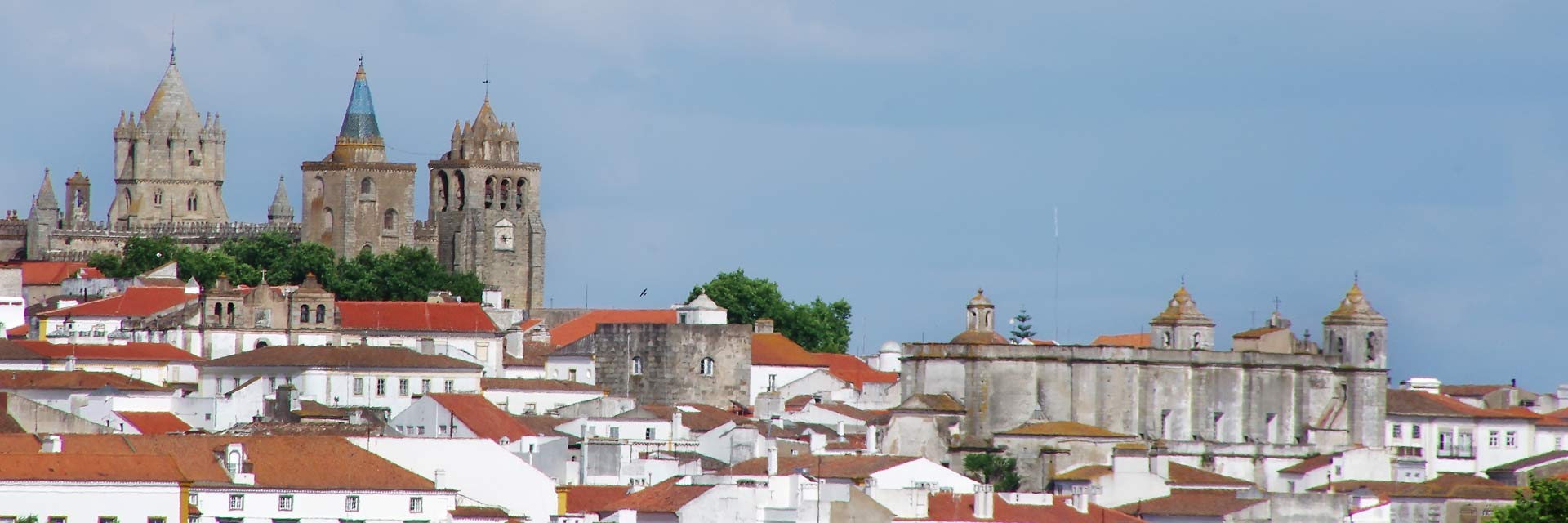
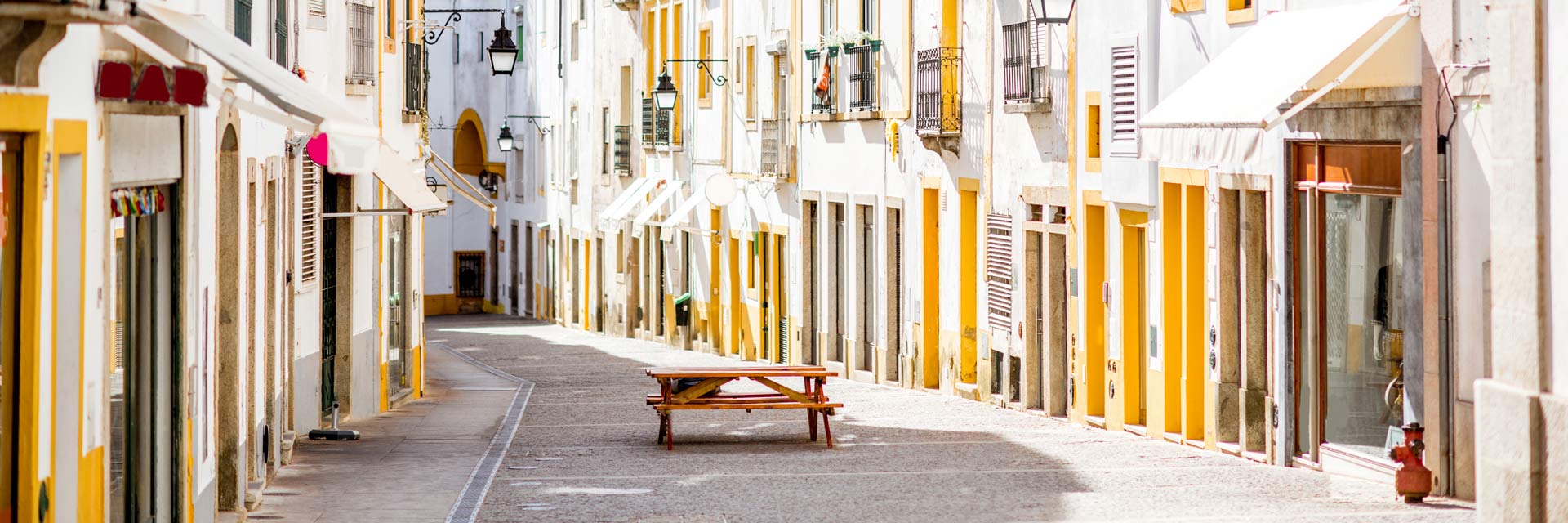
Located on the wide-open Alentejo plain and at the confluence of the Tagus, Sado and Guadiana river basins, Évora has been an important crossing point of trade routes for millennia. The district capital of one of Portugal's most beautiful regions - Alentejo - the city is charming and picturesque, rich in history that carries visitors back in time.
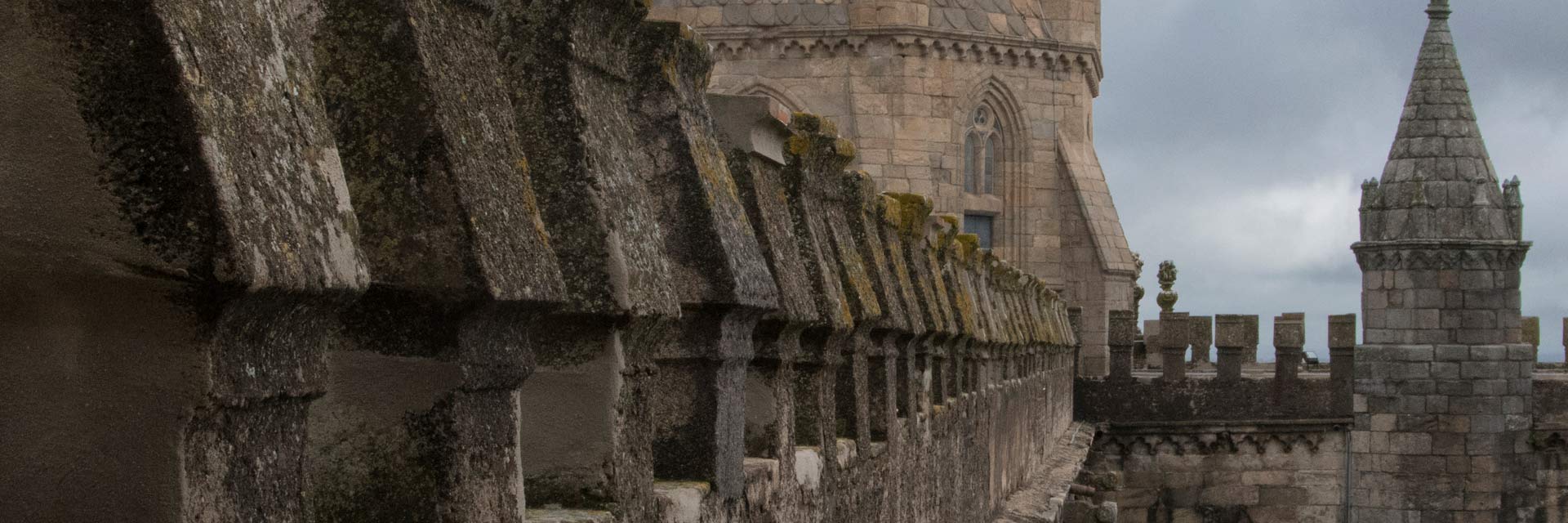
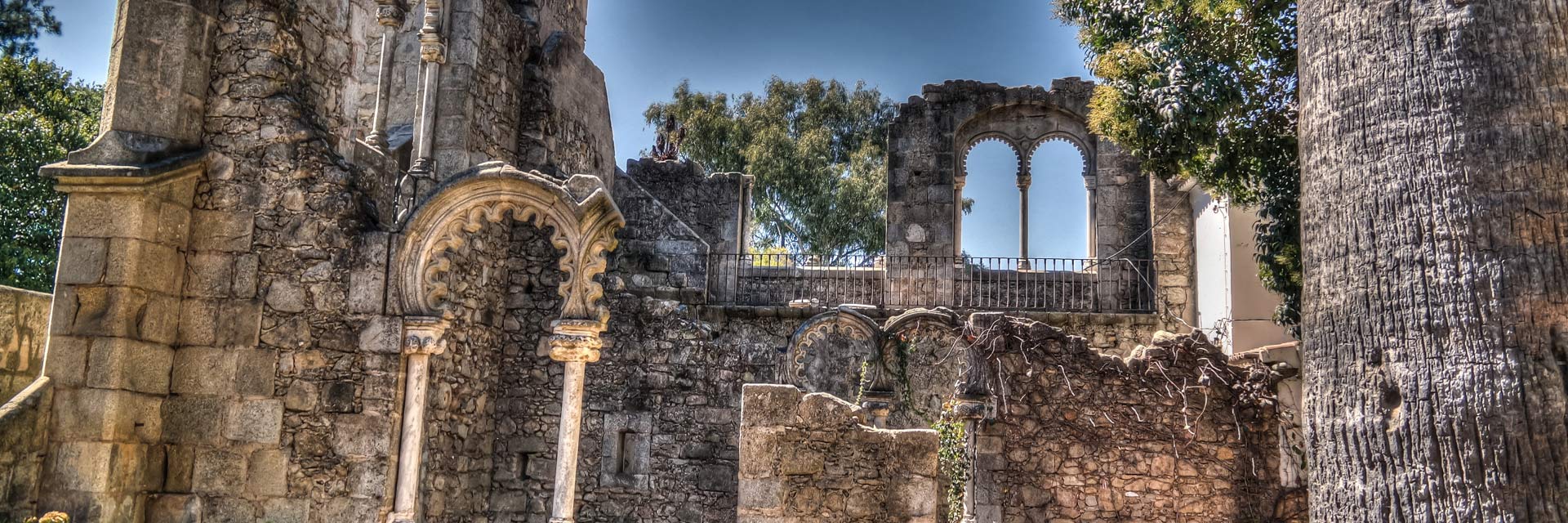
In 1986, its historic centre, made up of a vast heritage including Praça do Giraldo, the Cathedral, Temple of Diana, the city walls, S. Francisco church, Lóios convent, the University and Palace of D. Manuel, was declared a World Heritage Site. Unesco considered Évora to be "the best example of a Portuguese Golden Age city after the destruction of Lisbon in the 1755 earthquake".
Known as a city-museum, Évora is said to have been home to the troops of the Roman general Sertorio. The Temple of Diana was built during the Roman presence in the city in honour of Emperor Augustus.
In the 16th century, the city became one of the most important cultural and artistic centres in the kingdom. It was favoured by the Portuguese kings, who spent long stays there, and by the noble families who settled there and built palaces, churches and temples. It attracted artists, poets, painters, sculptors, scholars and thinkers.
A trip to the city-museum allows you to travel through the history of empires and kingdoms, which can be accompanied by the delicious and rich gastronomy of the Alentejo region.